Your crowdfunding campaign video is the single most important element of your campaign. Period. No matter how brilliant your product, how compelling your story, or how well-designed your rewards—if your video fails to capture attention in the first thirty seconds, potential backers scroll past. I've watched hundreds of crowdfunding campaign videos, and the pattern is brutally clear: great videos raise money, mediocre videos don't. It's that simple.
In this guide, I'll walk you through everything you need to create a crowdfunding video that converts viewers into backers. This isn't about having Hollywood-level production—it's about understanding what makes crowdfunding audiences tick and presenting your story in a way that builds trust and excitement.
Why Video Matters More Than You Think
Consider this: a potential backer sees your campaign for the first time. They have dozens of other campaigns competing for their attention, a finite amount of money to pledge, and skepticism built from seeing overhyped campaigns fail to deliver. Your video has approximately ninety seconds to overcome all of that resistance.
The data backs this up. Kickstarter's own research shows that campaigns with a video raise significantly more than those without—and more importantly, campaigns with videos that hold attention through completion convert backers at dramatically higher rates than campaigns where viewers drop off early. Every second of your video is working for or against you.
The Authenticity Factor
Here's something counterintuitive: the most successful crowdfunding videos are often not the most professionally produced ones. Backers on platforms like Kickstarter and Indiegogo have developed finely tuned antennas for polished corporate messaging. They came to these platforms to find genuine creators making real things, and overly produced videos can trigger the same skepticism as any other advertisement.
The sweet spot is "clearly made by humans who care." Your video should look professional enough to demonstrate competence, but authentic enough to feel like a real conversation with a real founder. I've seen campaigns shot on iPhones raise millions, and I've seen six-figure production budgets produce videos that felt cold and corporate. The equipment matters far less than the story.

Essential Equipment on a Budget
You don't need a Hollywood budget, but you do need equipment that produces reliably good results. Let me break down what I recommend for crowdfunding video production at various budget levels.
For a minimal budget ($0-500): Use a smartphone with a good camera—the latest iPhone or high-end Android can shoot 4K video that looks excellent when properly lit. Pair it with a basic tripod and a lavalier microphone (the Rode SmartLav+ or similar). Good audio is actually more important than video quality; viewers will forgive grainy video far more readily than muffled or echoey audio.
For a moderate budget ($500-2000): Upgrade to a mirrorless camera like the Sony A6400 or Canon M50, which offers better low-light performance and more professional lens options. Add a small LED panel light kit (the Lume Cube or similar), a shotgun microphone, and basic lighting stands. This equipment combination can produce video that rivals what you'd get from a mid-tier production company.
Lighting: Your Secret Weapon
If there's one upgrade that will most dramatically improve your video quality, it's lighting. A three-point lighting setup—key light, fill light, and back light—can transform amateur footage into something that looks professionally produced. Even a simple two-light setup with LED panels eliminates harsh shadows and creates the warm, inviting look that makes viewers trust what they're seeing.
Natural light is free and often beautiful, but it's unpredictable. I recommend setting up near windows for soft fill light, then using an LED panel as your key light to ensure consistent exposure regardless of how clouds drift outside. The goal is eliminating any variability that could make your video look inconsistent between scenes.
Structuring Your Crowdfunding Video
The most effective crowdfunding videos follow a consistent structure that takes viewers on an emotional journey. This isn't accidental—it's deliberate architecture designed to build tension, create investment, and culminate in a call to action that feels earned rather than pushy.
Open with a hook (0:00-0:30): Don't start with your logo or a slow fade-in. Start with the most compelling thirty seconds of your entire video—the image, moment, or statement that captures attention and makes viewers want to know more. This might be your product in action, a striking visual of the problem you're solving, or a founder sharing a surprising statistic or personal story.
Introduce the problem (0:30-1:30): Before you can sell your solution, viewers need to understand the problem. This section should be brief but emotionally resonant. If you're building a product, show the viewer experiencing the problem you're solving. If you're creating content or a service, paint a picture of the world before your solution existed.
Present Your Solution (1:30-3:30)
This is your product demo section—the heart of your video. Show your product clearly, demonstrate how it works, and let viewers understand what makes it special. If your product has physical components, show them in detail. If it's software, walk through the key features with a screen recording or live demonstration.
The most common mistake in this section is talking too much. Let the product speak. Use close-up shots of interesting details, slow-motion sequences of key interactions, and ambient footage that makes your product feel desirable. Voiceover can guide viewers, but you want them focused on what you're showing them, not on your face talking.
Introduce yourself and your story (3:30-5:00): Backers invest in people, not just products. This section is where you build credibility and emotional connection. Share what motivated you to build this, what progress you've already made, and why you're the right person to bring this into the world. Be specific—vague claims of passion ring hollow, but specific stories of setbacks and breakthroughs feel genuine.
Show Social Proof (5:00-6:00)
If you have beta testers, early adopters, press coverage, or endorsements from credible sources, this is where to include them. Brief testimonials from real users carry enormous weight. Seeing and hearing someone describe how your product solved their problem is more persuasive than any feature list you could recite.
If you don't yet have users or press, show your product development process—prototypes, testing, manufacturing setup. Anything that demonstrates forward momentum and credibility helps. Kickstarter backers have seen countless campaigns fail to deliver; showing that you're further along than typical campaign launches builds confidence.
Close with the call to action (final 30-60 seconds): This is where you ask for the pledge. Be specific about what you're building, what the campaign funds will be used for, and what backers will receive. Create urgency with your campaign timeline. And above all, make the ask with confidence—you're offering something valuable in exchange for backing, not begging for charity.
Editing for Maximum Impact
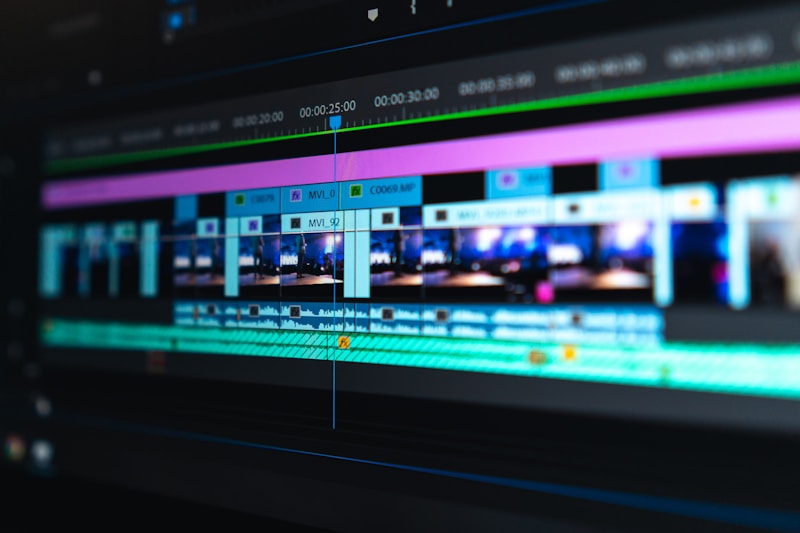
Even the best footage needs editing to become a compelling video. The editing process is where you shape the emotional arc, control pacing, and eliminate anything that doesn't serve your story. For crowdfunding videos, I recommend keeping your final cut between three and five minutes—long enough to tell your story, short enough to hold attention.
Cut for rhythm, not perfection. In documentary and emotional storytelling, the rhythm of cuts matters enormously. Viewers should feel the video moving forward, building energy toward the climax. Static talking-head footage with minimal cuts feels slow regardless of how compelling the words are. Use B-roll generously to illustrate points and maintain visual interest.
Music and Sound Design
Music sets emotional tone and can transform the impact of your footage. For crowdfunding videos, I recommend instrumental music—no vocals that might compete with your voiceover. The music should feel motivating and human, not corporate or generic. Services like Epidemic Sound, Artlist, or even YouTube's free audio library offer quality options.
Match the music's energy to your video's arc. Open with ambient, building tension. Ramp energy during your product demo. Peak emotionally during your personal story section. And bring full energy into your call to action. The music should feel like it's scoring a film, not just filling silence.
My Personal Video Production Insights
After producing videos for dozens of crowdfunding campaigns, here are the insights I wish I'd known starting out. First, script ruthlessly. Write out exactly what you'll say before you film. Then shoot multiple takes until you've captured your best performance. In editing, you'll have flexibility to choose the perfect delivery of each line.
Second, film more than you think you need. I typically film at least three times the length I'll use, capturing alternative explanations, additional B-roll, and backup footage I might need in post-production. It's much easier to have options in the editing room than to realize you're short on footage after your filming day is over.
Third, get real feedback before publishing. Screen your video for five to ten people who match your target audience and measure their reactions. Where do they lose interest? What questions do they still have after watching? What makes them want to pledge? This feedback is gold and often reveals blind spots you developed while filming.
Conclusion
Your crowdfunding video is the centerpiece of your campaign, and it's worth investing real time and resources to get right. You don't need Hollywood production, but you do need a clear story, competent execution, and genuine emotional authenticity. Invest the effort in pre-production planning, film with better equipment than you think you need, and edit with ruthless discipline. A compelling video won't rescue a bad campaign, but it will give your excellent campaign the launch vehicle it deserves.

Related Articles

Crowdfunding Rewards Guide

Marketing Your Campaign